A premises can look clean at opening time and still be carrying weeks of grime in the corners, vents, drains, grout lines, upholstery, and high-touch surfaces. That is why deep cleaning should never be treated as a once-a-year panic before an inspection.
Daily cleaning keeps a building presentable. Deep cleaning protects the condition of the premises, supports hygiene, and helps prevent small issues from becoming expensive ones. The right frequency depends on the type of business, footfall, opening hours, and the level of risk in each area.
Daily cleaning and deep cleaning do different jobs
Routine cleaning covers the visible, repeated tasks that keep a premises usable day to day. That usually includes vacuuming, mopping, wiping surfaces, emptying bins, cleaning toilets, and restocking supplies.
Deep cleaning goes much further. It targets dirt, grease, dust, bacteria, and build-up in places that daily cleaning often misses. This can include:
- Cleaning behind and under equipment
- Descaling taps, sinks, and washroom fittings
- Scrubbing grout and hard floor edges
- Cleaning vents, skirting boards, doors, and frames
- Shampooing carpets and upholstery
- Degreasing kitchen walls, canopies, and floors
- Sanitising high-touch points more thoroughly
- Cleaning storage areas and staff facilities
The question is not whether a commercial premises needs deep cleaning. It is how often each part of the premises needs it.
Most commercial premises need a planned deep clean at least every few months
For many low to medium-risk settings, a full deep clean every three to six months is a sensible baseline. This may suit places such as small retail units, showrooms, community spaces, and lower-footfall service premises.
That said, a single blanket schedule rarely works well. A front entrance exposed to wet Irish weather may need attention more often than a dry stockroom. A staff kitchen may need deeper cleaning more often than a reception area. Toilets used by customers will usually need a stricter schedule than private facilities used by a small team.
A practical approach is to split the premises into zones.
Area
Typical deep cleaning frequency
Entrances and high-traffic floors
Monthly to quarterly
Washrooms
Weekly to monthly, depending on use
Kitchens and food prep areas
Weekly, monthly, and scheduled specialist cleans
Stockrooms and storage areas
Quarterly to twice yearly
Carpets and upholstery
Quarterly to yearly
Vents, high ledges, and hard-to-reach areas
Twice yearly or yearly
These are general guide points, not fixed rules. A premises with long opening hours, heavy public use, children, food handling, or shared facilities will usually need a tighter plan.
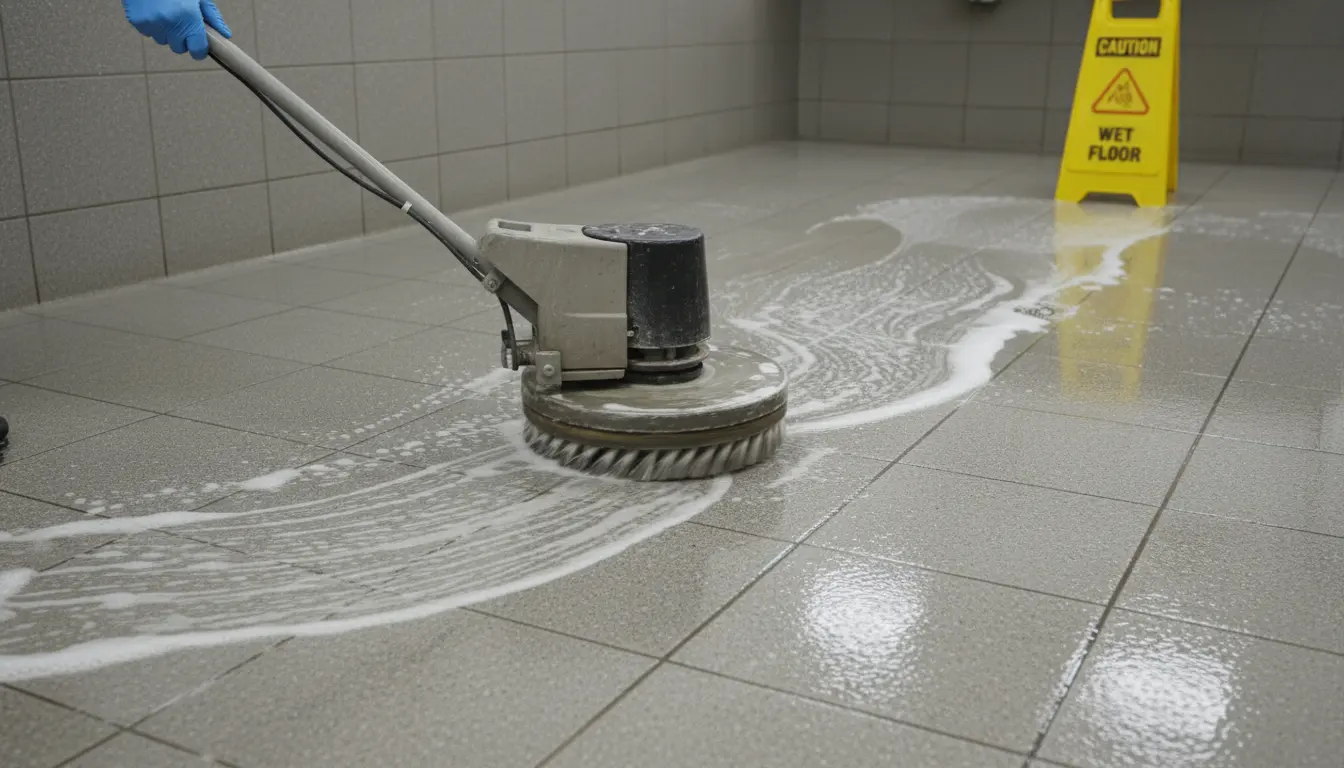
Food, healthcare, and public-facing sites need deeper cleaning more often
Some premises carry higher hygiene risks. In these environments, deep cleaning should be more frequent and more clearly documented.
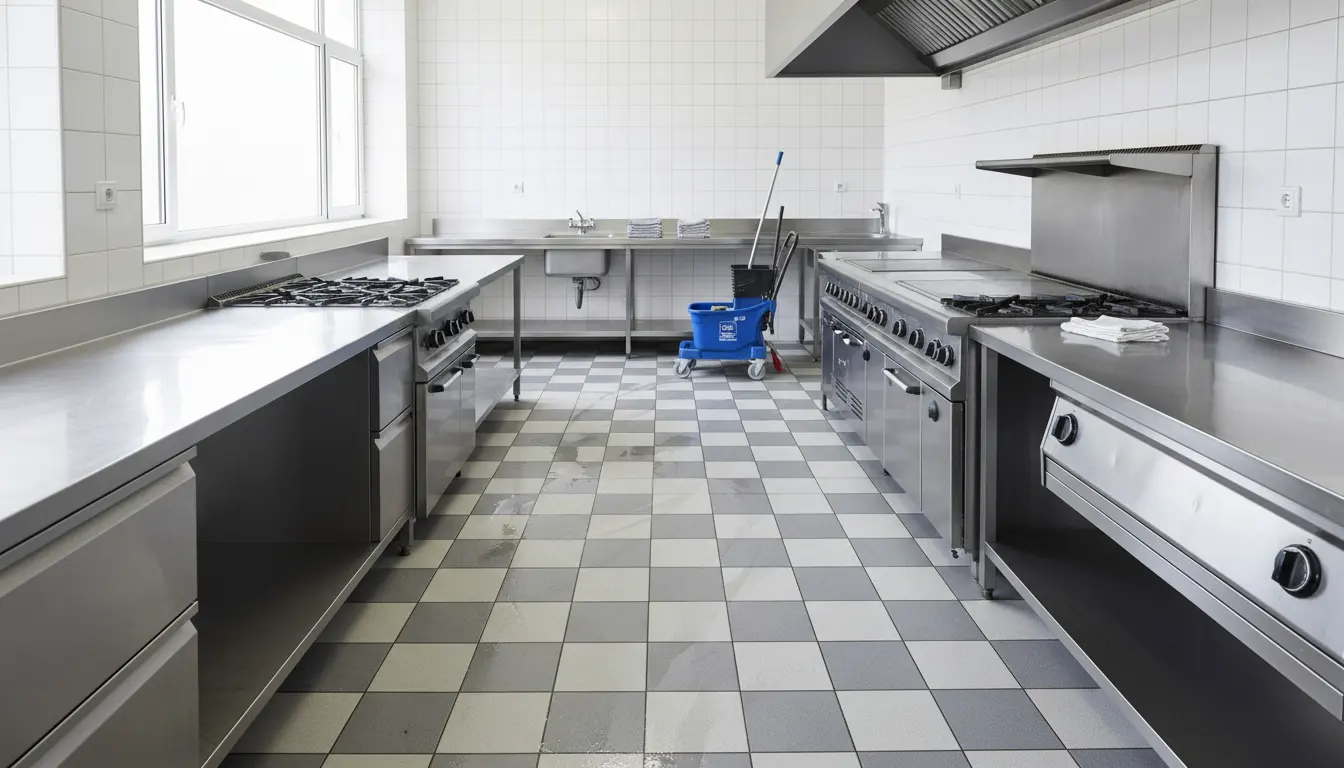
Food businesses are an obvious example. Restaurants, cafés, takeaways, bakeries, and shared commercial kitchens deal with grease, food debris, spills, drains, and warm equipment. These conditions allow grime to build up quickly. Cooking equipment, prep areas, fridges, extract systems, floors, and storage spaces all need close attention.
Healthcare, dental, veterinary, childcare, gym, and beauty premises also need careful cleaning plans. Many of these settings have repeated skin contact, shared surfaces, treatment areas, or vulnerable users. Routine cleaning alone is not enough to manage these risks well.
Public-facing sites with heavy footfall also need more frequent deep cleaning. Examples include:
- Leisure centres
- Pubs and venues
- Schools and training centres
- Hotels and guest accommodation
- Large retail premises
- Transport-related facilities
In these places, deep cleaning may need to happen weekly in some areas and monthly in others. The aim is to match the schedule to real usage, rather than simply copying a generic calendar.
The best schedule is based on risk, not habit
A good cleaning plan starts with a walk-through of the premises. Look at where people enter, what they touch, where food or waste is handled, and where dirt gathers.
Pay close attention to warning signs such as:
- Persistent odours, even after routine cleaning
- Sticky or dull floor surfaces
- Stained grout or sealant
- Dust on vents, ledges, and light fittings
- Marks on walls around touch points
- Grease build-up near cooking areas
- Complaints about toilets or shared areas
- Pest activity or conditions that could attract pests
If any of these keep returning, the current cleaning frequency is probably too light.
Documentation also matters. A simple cleaning schedule helps managers, staff, landlords, and contractors understand what has been cleaned and when. It can also support health and safety checks, food hygiene processes, and insurance or lease obligations where relevant.
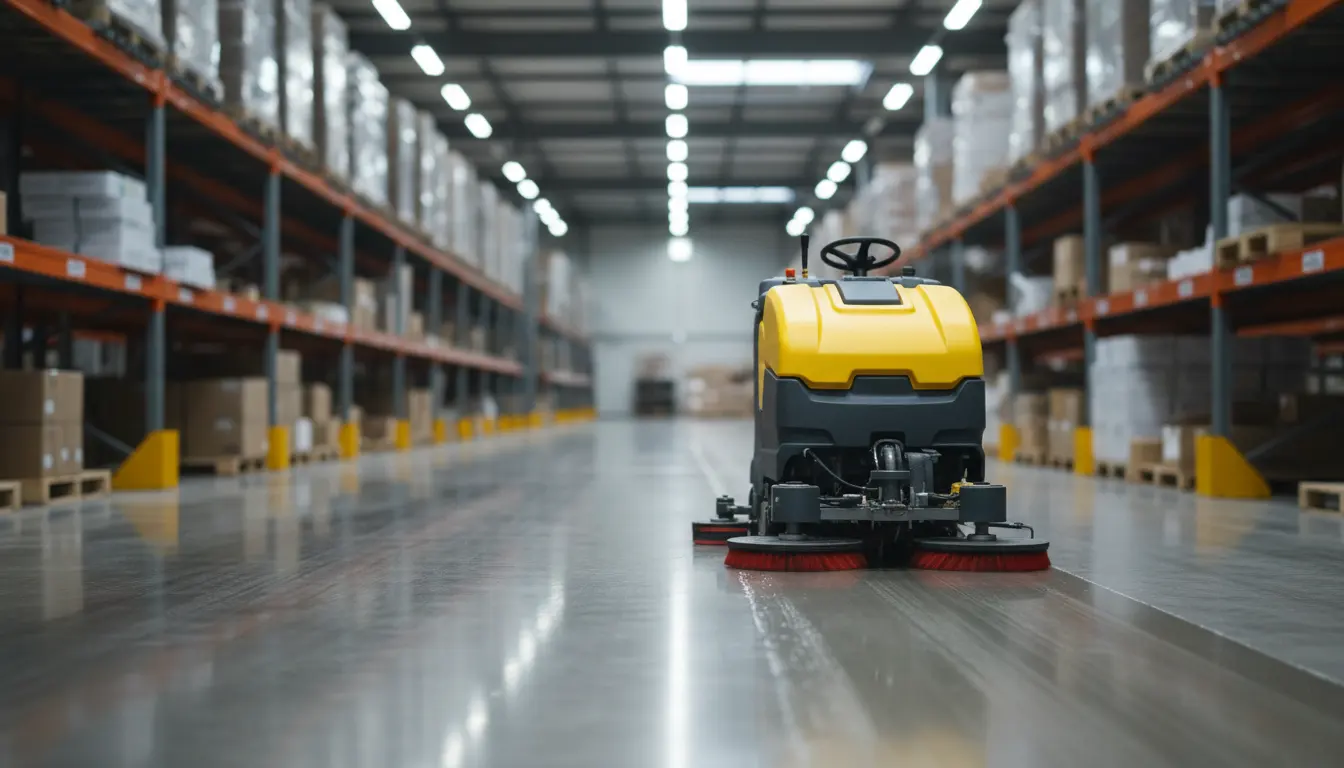
Seasonal changes can affect how often deep cleaning is needed
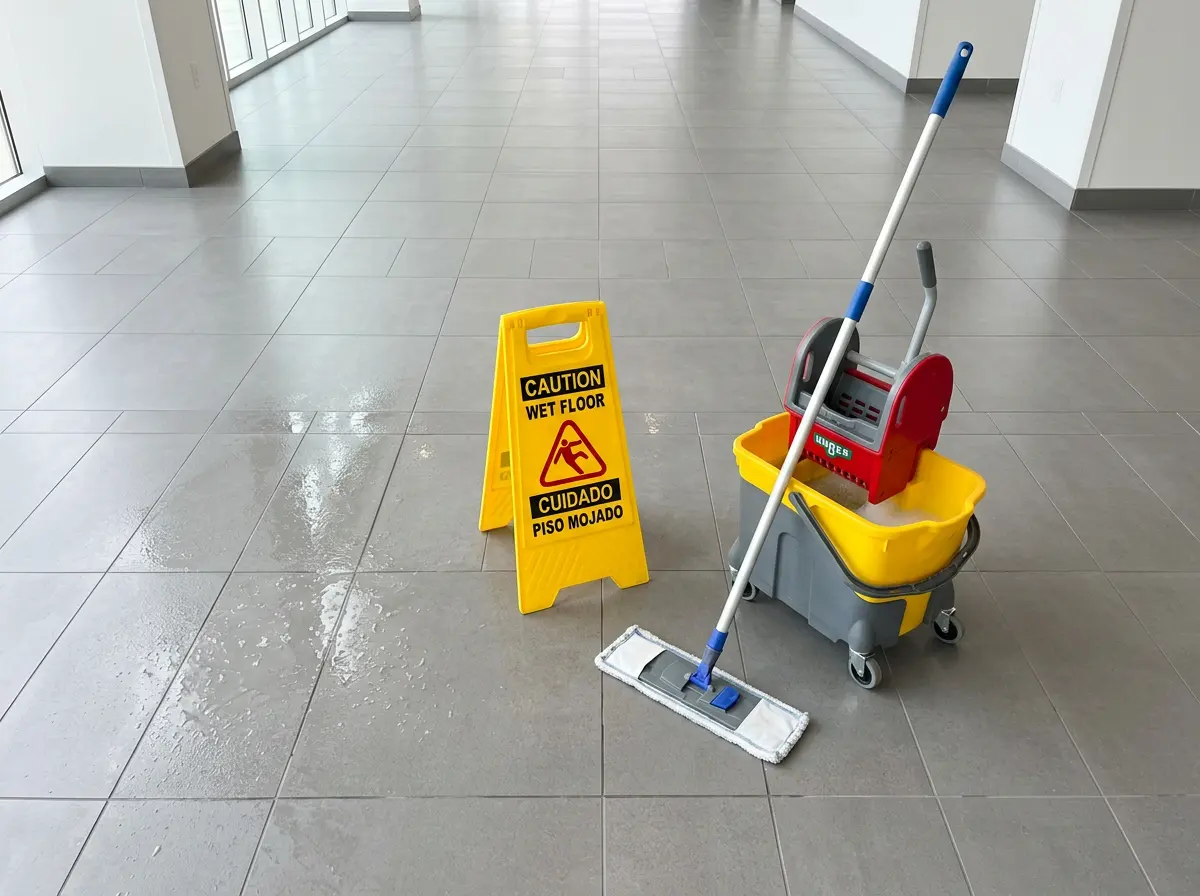
In Ireland, weather can have a real effect on cleaning needs. During wetter months, entrances, mats, corridors, and hard floors often collect more mud, grit, moisture, and salt residue. If this is not managed, floors can become slippery, worn, or stained.
Winter also tends to increase indoor use. More closed windows, heavier coats, damp footwear, and higher footfall in shared indoor spaces can all add pressure to cleaning routines.
Spring and autumn are good times for larger planned cleans. Many businesses use these periods to treat carpets, clean high-level dust, wash windows internally, clear storage areas, and refresh staff facilities. For hospitality or retail, deep cleans may also be planned around quieter trading periods to reduce disruption.
The key is to avoid leaving everything until the premises visibly declines. A planned deep clean is usually easier, faster, and less disruptive than a rescue clean.
A simple guide for setting the right frequency
For most commercial premises, this framework works well:
Weekly deep cleaning
Best for high-risk or heavy-use areas such as commercial kitchens, busy washrooms, treatment rooms, gyms, and shared changing areas.
Monthly deep cleaning
Useful for customer-facing spaces, high-touch areas, entrance floors, staff kitchens, and premises with steady public footfall.
Quarterly deep cleaning
Suitable for many general commercial environments, including retail spaces, showrooms, training rooms, and common areas with moderate use.
Twice-yearly deep cleaning
Often enough for lower-use storage areas, some back-of-house spaces, high-level dusting, and periodic carpet or upholstery care.
Yearly deep cleaning
Best kept for low-risk, low-use areas only. For most active premises, yearly cleaning should be part of the plan, not the whole plan.
The takeaway
Commercial premises should be deep cleaned as often as their use demands. For many businesses, that means a full deep clean every three to six months, with higher-risk areas cleaned weekly or monthly.
Daily cleaning keeps things presentable. Deep cleaning keeps the premises healthier, fresher, safer, and easier to maintain. The best results come from a simple written schedule, regular checks, and a willingness to adjust the plan when footfall, weather, opening hours, or business activity changes.
Keep your commercial premises clean, fresh, and ready for business with Effective Cleaning Services. From routine cleaning to professional deep cleaning, our team helps create a healthier, more welcoming workplace. Contact us today to book your deep clean and give your premises the professional clean it deserves.